

Where expense control stops being manual work
Most finance teams spend hours each week on tasks a well-configured system could handle in minutes. Pristox Pro was built to close that gap — not with generic software, but with structured mentorship that makes the automation stick.
Two things generic courses skip entirely
Most training programs hand you a certificate and walk away. The actual configuration work — integrating approval flows, mapping cost centers, handling exceptions — gets left to you. That is where most implementations stall.
-
1
Continuity across the full setup cycle
Expense automation rarely fails at the concept stage. It fails during the third week of configuration, when edge cases appear and nobody is available to help. Pristox Pro mentors stay with clients through that phase — not just for the kickoff call.
-
2
Guidance built around your actual data
Vendor categories, approval chains, and reimbursement rules differ between organizations. Working from your real export files — not a sample dataset — means the system we help you build reflects how your business actually runs.

Signals that indicate professional standing
Credentials matter less than track record, but both together tell a more complete story. Here is what positions Pristox Pro as a credible source of guidance on expense automation.
Active since 2017
Seven years of continuous practice in expense automation means the guidance draws from real implementation cycles — not theory assembled for a course outline.
Remote delivery across regions
Clients from different cities and time zones have completed full automation setups through the program. Distance has not been a limiting factor in any engagement.
Rated 4.4 by 232 clients
Feedback collected from completed engagements reflects consistent satisfaction with both the depth of guidance and the practical outcomes clients were able to reach.
What needs to be in place for this to actually work
Expense automation mentorship is not a shortcut for organizations that haven't yet decided how they want to manage costs. The program works best when there's already a baseline to build from.
That baseline doesn't have to be sophisticated. It can be a spreadsheet, a partially configured tool, or even a clear description of the problems your current process creates. What matters is that someone in your organization has ownership of the expense function and the authority to make configuration decisions. Without that, implementation tends to stall regardless of how good the guidance is.
Conditions that support a productive engagement
- A defined person responsible for expense reporting — finance lead, operations manager, or similar
- Access to at least three months of historical expense data in any exportable format
- A rough sense of where the current process breaks down — approvals, categorization, reconciliation, or reporting
- Willingness to spend four to six hours per week on configuration work between sessions
- No expectation of a fully automated system in under four weeks — most solid setups take eight to twelve

The people behind the guidance
Pristox Pro is a small team. That's deliberate. Every mentor has spent years working directly inside finance and operations functions — not consulting from the outside — which shapes how they approach configuration problems.
The work is hands-on. Mentors look at actual data, sit inside actual tools, and work through actual bottlenecks. The team doesn't delegate that to junior staff or automate it with templates.


Noa Feldstein
Lead Automation MentorEight years inside mid-market finance teams before joining Pristox Pro. Noa's focus is approval workflow design and multi-entity cost allocation — the parts of expense automation that tend to break first under real organizational pressure.
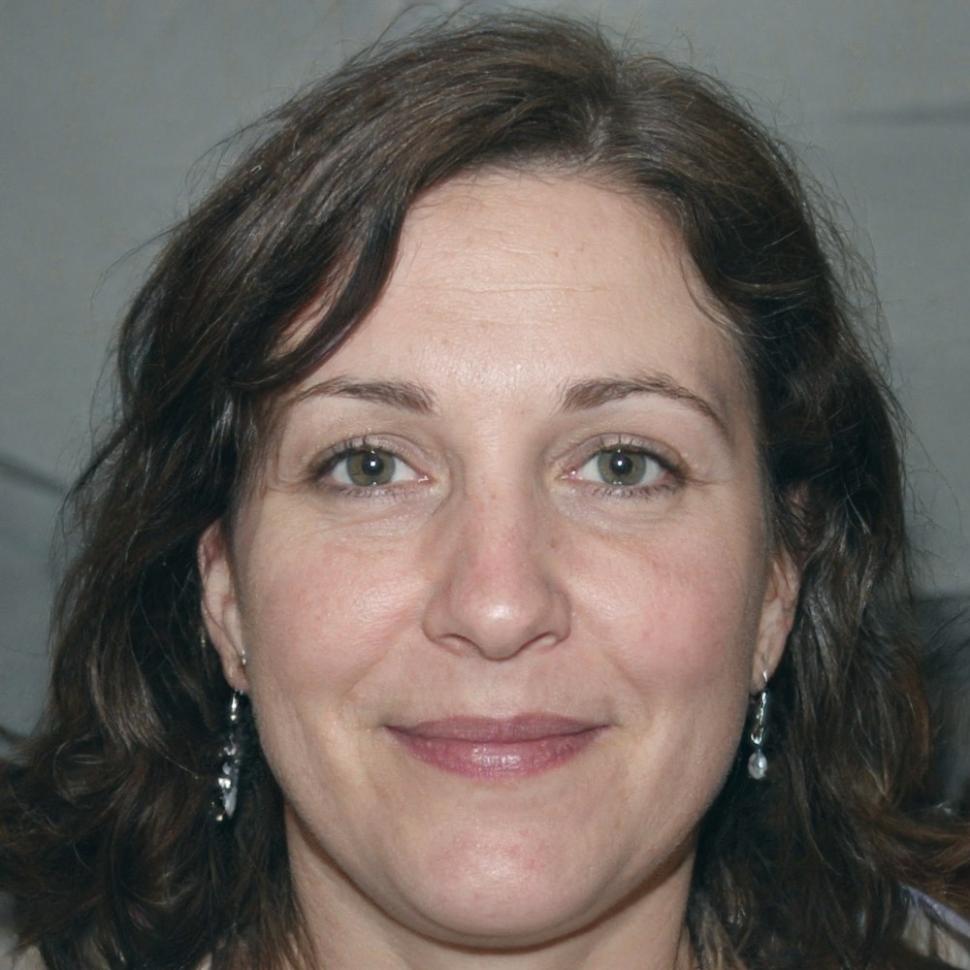
Dafna Amir
Systems Integration SpecialistDafna spent six years configuring ERP and expense platforms for organizations across logistics and professional services. She handles the technical side of integrations — connecting expense tools to accounting systems without losing data fidelity.
Yonatan Brauer
Process Design AdvisorBefore advising on process design, Yonatan ran the finance operations function at a regional distribution company for four years. He focuses on the human side of automation — how approval chains get adopted, where staff resistance appears, and how to design around it.